
Hey everyone! Remember me? It’s Khadija! No, it’s not a ghost; it’s actually me here. It’s been a while since I’ve written a blog, and honestly, I wasn’t sure if I would ever write again. Apart from the fact that I am now a chronic yapper with the EcoVybz Podcast, my mental health has been through the wringer, and after experiencing a deeply traumatizing case of injustice and discrimination, my insecurities hit an all-time high. My voice and my words no longer felt valuable to me and I often found myself deeply questioning my purpose and whether the work even mattered. Sounds daunting I know but as always I’m just keeping it real. What I was experiencing was deeper than burnout, it was as if the weight of the world totally demolished my “why”.

But here I am, finding my way back to the keyboard. I am honestly surprised I was able to write this blog in the first place but my recent participation in COP29 in Baku, Azerbaijan, reminded me that even in the darkest moments, there’s strength in sharing your truth. As I have been slowly rebuilding my confidence this experience reignited my passion for climate justice and the urgent need to amplify Caribbean voices, not just for the region but for my home, Trinidad and Tobago. So, let’s dive in, shall we? Disclaimer it is a bit long so grab some wine or some orange juice and let’s unpack COP 29!
Trinidad and Tobago’s reality is deeply complex and uniquely challenging. As a nation whose economy is tied to fossil fuels, the path toward a greener, sustainable future often feels like navigating uncharted waters. Yet, the impacts of climate change are becoming impossible to ignore. Our days are scorching, the kind of heat that clings to your skin and makes “melting” feel less like a joke and more like a warning. No for real it is unbearable!
Beneath our waters, the story is just as alarming as our once vibrant coral reefs are bleaching, losing their color and life as sea temperatures rise. On land, the rains come with a vengeance, turning streets into rivers and leaving communities stranded. Areas that never experienced flooding are now unrecognizable, submerged under the weight of a changing climate.
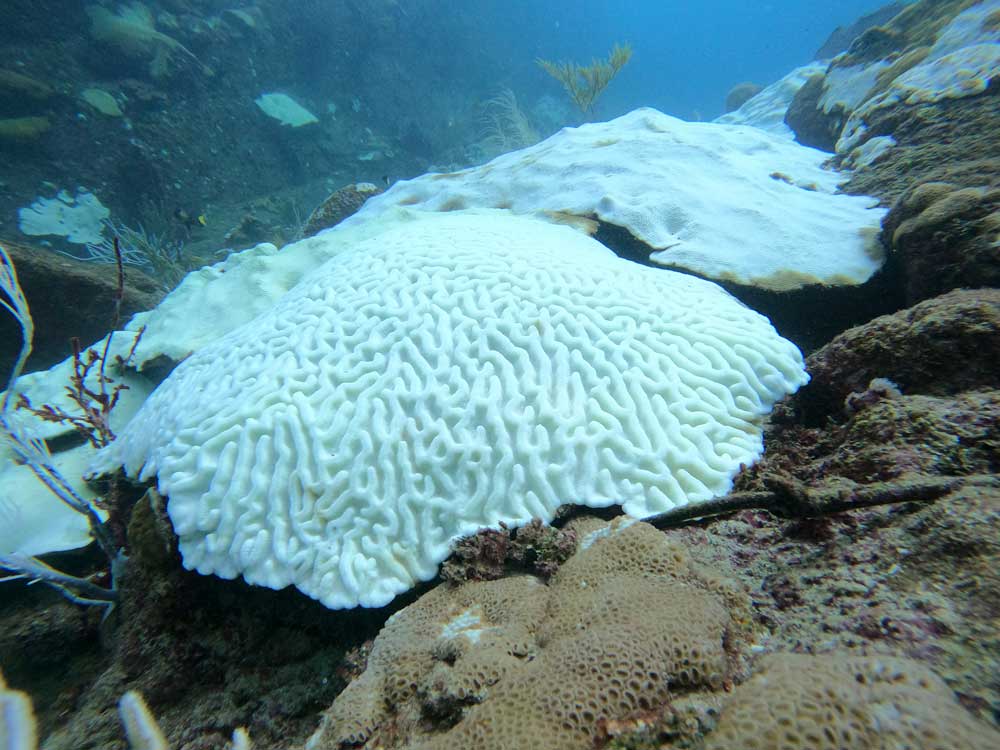
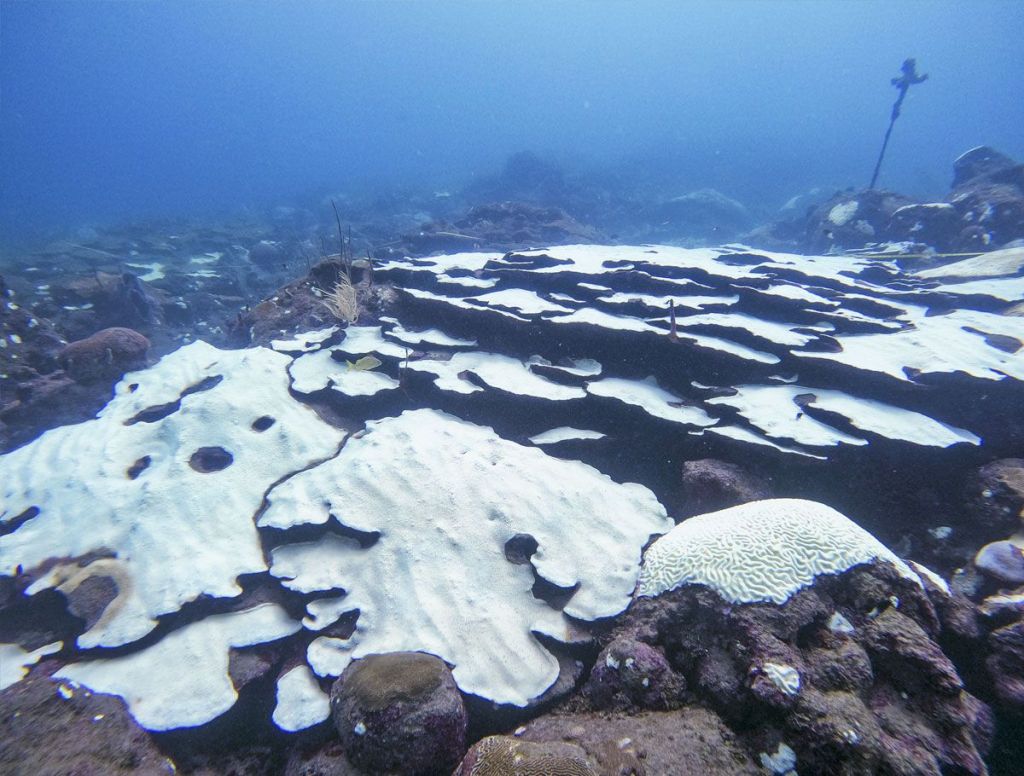

This isn’t a far-off issue or a headline to skim over anymore, it’s our lived reality, shaping our landscapes and our futures. It was this undeniable truth that pushed me, despite my hesitation, to attend COP29. The stakes are simply too high to remain silent.
Why COP29? Why Now?
After the overwhelming experience of COP28 in Dubai, I found myself hesitant to step into the whirlwind of COP29. The chaos, the noise, and the sheer intensity of it all had left me drained and severely ill. But a colleague urged me to assist with an event, and as I considered it, my mind wandered back to our climate realities and the Karibe Speak Project—a platform born from the desire to elevate the voices of Caribbean youth in global climate conversations.
The Karibe Speak Project is more than just storytelling; it’s about reclaiming space. It’s a bridge connecting the lived realities of Caribbean youth to the decision-makers who too often overlook them. Through interviews, shared experiences, and honest conversations, it shines a spotlight on the challenges and solutions unique to our region, from grassroots resilience projects to innovative collaborations.
The Caribbean is one of the most climate-vulnerable regions in the world, yet we are still woefully underrepresented in the rooms where decisions are made. I realized that EcoVybz could fill this gap by:
- Interviewing Caribbean youth at COP29 to share their stories.
- Advocating for our lived realities and grassroots efforts.
- Opening access through live updates, bringing the conference to those back home who couldn’t attend.
For me, it wasn’t just about attending another conference. It was about amplifying Caribbean voices to ensure that our stories, struggles, and solutions were not just heard but understood and valued. This wasn’t just presence; this was a purpose and our vision is reflected in our COP29 Caribbean Youth Policy Blueprint: Pathways to Climate Resilience and Justice for Small Island Developing States Report.
Navigating the COP29 Experience
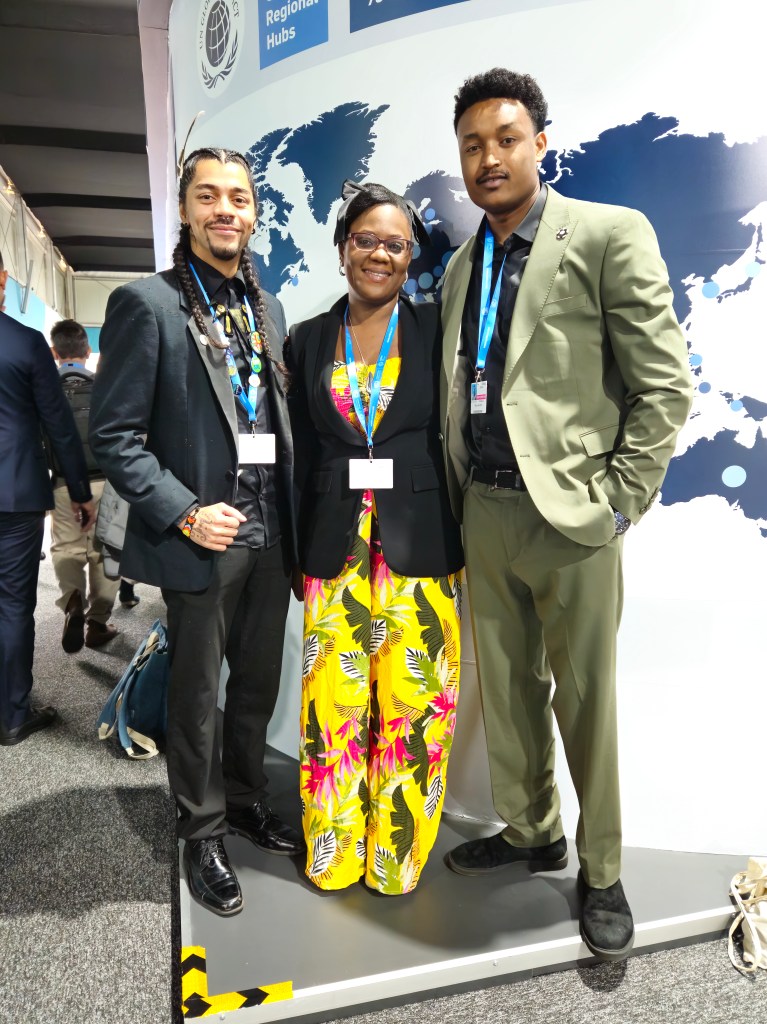
This year, the EcoVybz team included myself and Kieran Ganga, an aspiring solar energy consultant. For Kieran, this was his first COP experience, and it was nothing short of transformative. He reflected on the overwhelming nature of the event, the maze-like venue, the simultaneous sessions, and the intensity of negotiations. But as he found his footing, he recognized the unique value of his perspective as a young Caribbean professional.
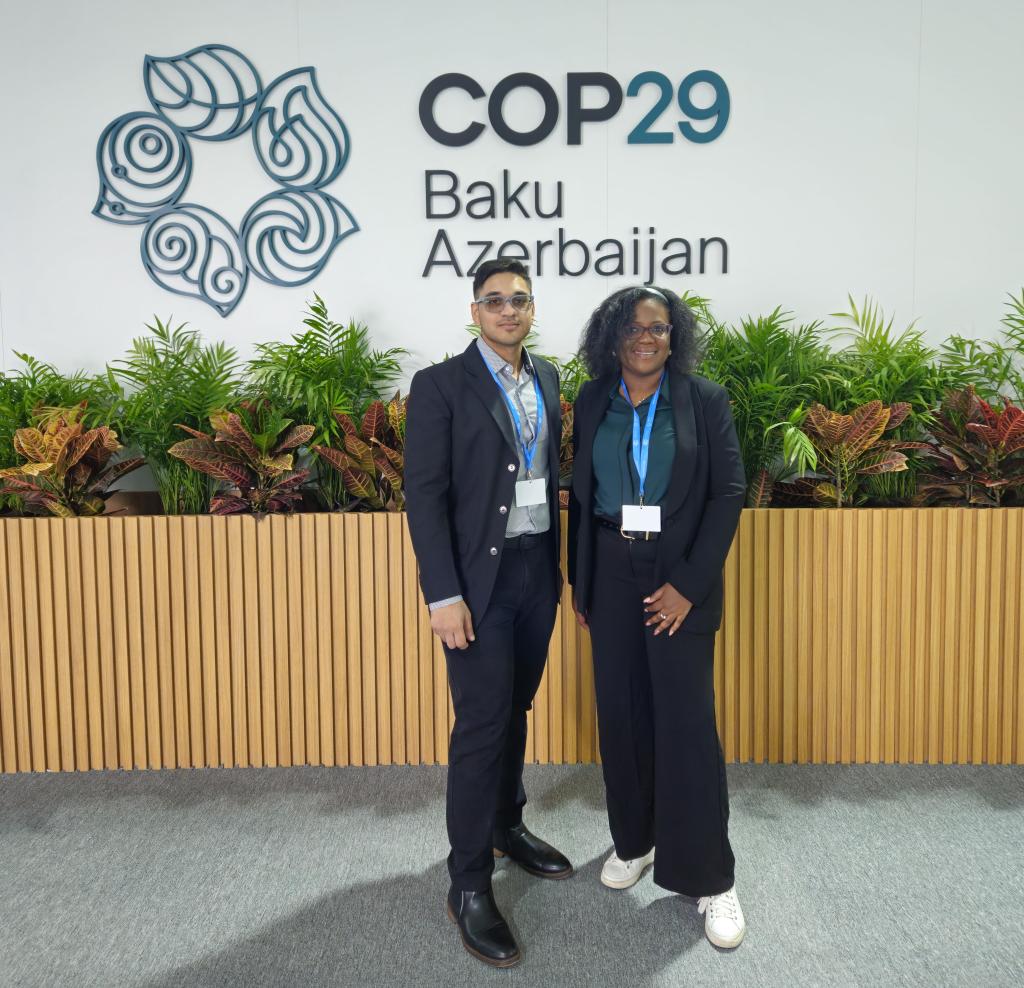
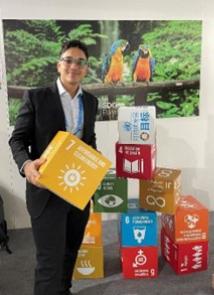
Kieran attended sessions on energy transition, climate finance, and adaptation strategies, which expanded his understanding of global climate efforts. He was particularly inspired by the strides being made in developing countries, such as Antigua’s adoption of electric buses which is a bold step toward sustainability despite limited resources. This initiative demonstrated how impactful progress is possible, even in resource-constrained settings. At the Youth Leadership in SDGs event at the SDG Pavilion, Kieran shared his insights on SDG 7: Affordable and Clean Energy, delving into the challenges of transitioning away from fossil fuels in Trinidad and Tobago and emphasizing the critical role of youth in shaping sustainable futures.

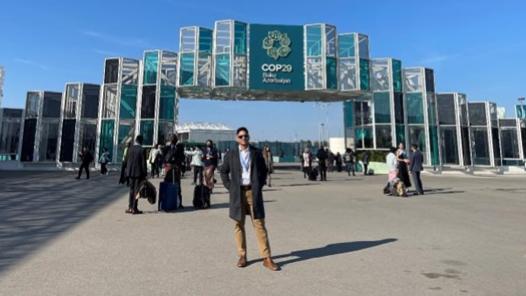
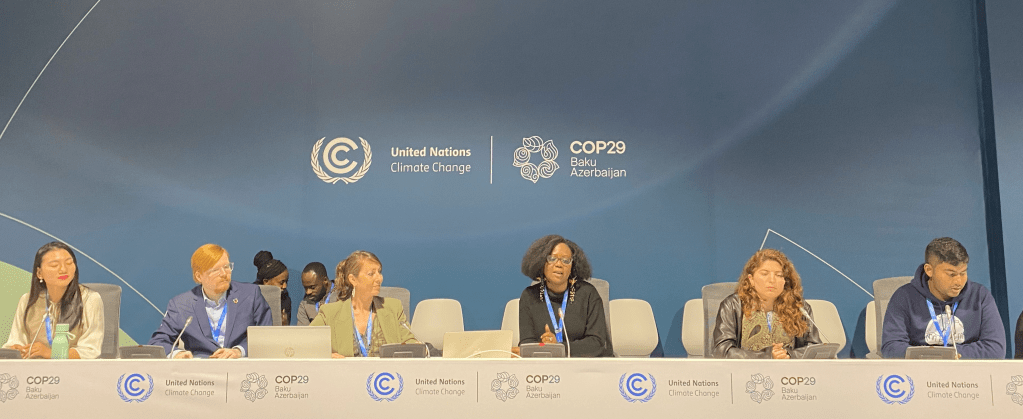
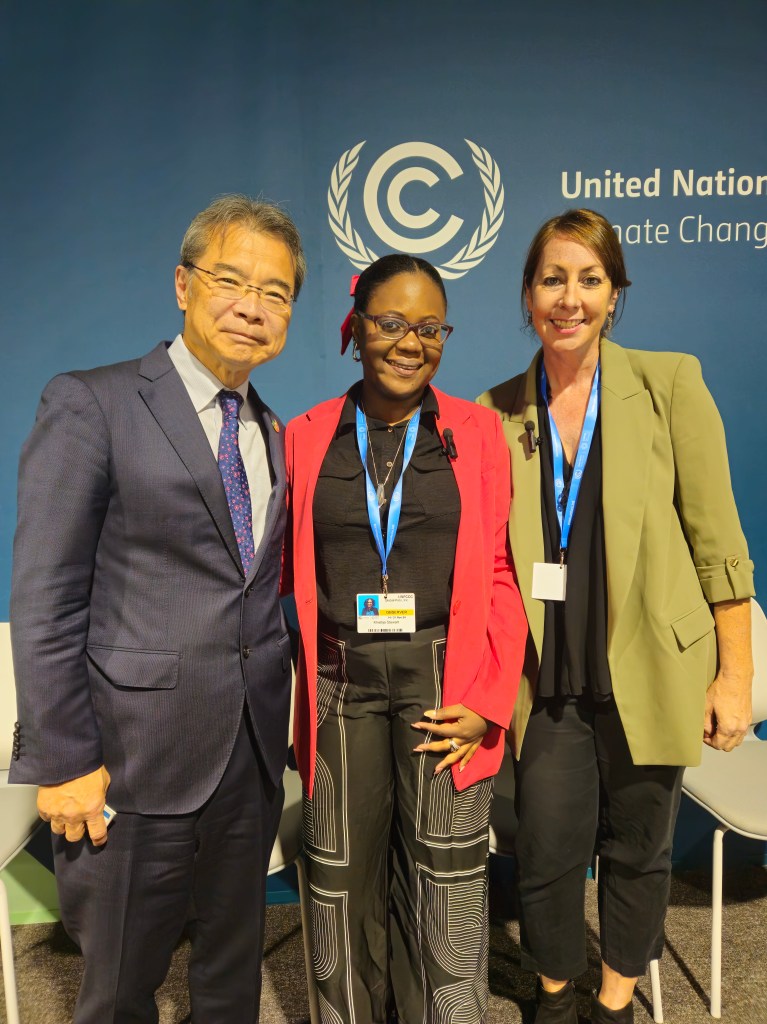
For me, COP29 was an opportunity to engage deeply on multiple fronts. I participated in events at the Ocean Pavilion, SDG Pavilion, Caricom Pavilion, and the Side Event Room for a session on Action for Climate Empowerment, among others, through the support of Peace Boat and Peace Boat US. These platforms allowed me to showcase the work of EcoVybz Environmental Creatives and EcoSeas Caribbean, sharing our initiatives focused on strengthening ocean and climate literacy, capacity building, and community resilience.
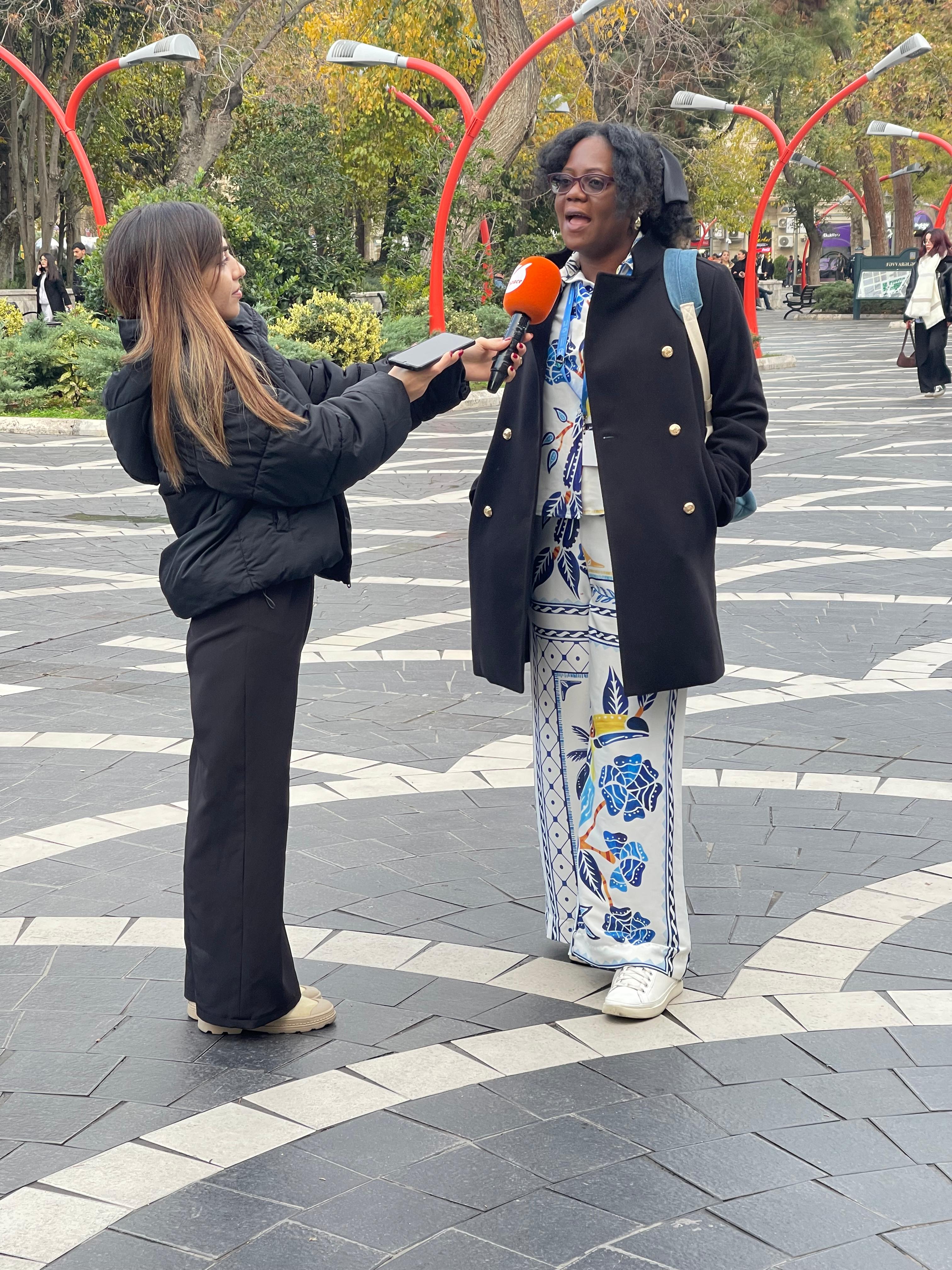
In addition to these events, I took part in key meetings, where I explored potential partnerships and built meaningful connections with individuals and organizations aligned with our mission. These discussions opened up exciting possibilities for collaboration and funding to scale our projects and amplify Caribbean youth-led solutions. I also conducted several interviews with media outlets and organizations present, including AZ News, Second Nature Sisters, and others, who were keen on exploring the Caribbean climate context in greater detail. These conversations offered a platform to highlight the unique challenges and innovative solutions emerging from the region, further reinforcing the importance of Caribbean representation in global climate dialogues.
Through these engagements, I spoke on the power of storytelling, the critical need for grassroots solutions, and the importance of strategic partnerships in addressing the challenges Caribbean youth face, from underrepresentation in global dialogues to limited access to resources for climate action. This multifaceted engagement showcased the transformative potential of collective action and underscored the vital role of Caribbean voices in shaping global climate solutions.



One of the most impactful parts of our experience was conducting interviews with Caribbean youth as part of the Karibe Speak project at COP29. They shared their perspectives on navigating the space and the incredible work they are doing, such as advocating for the ratification of the BBNJ Treaty (High Seas Treaty) and addressing the realities of overseas territories. Indigenous Caribbean youth highlighted the link between colonialism and climate change, drawing attention to historical injustices that have shaped current vulnerabilities. These youth also spoke about the performative nature of some participants from the Global North, contrasting it with their own grounded commitment to tackling climate issues. They shared stories of how climate change is devastating their islands through hurricanes, flooding, and rising sea levels, while also outlining their efforts to communicate climate impacts, develop solutions, and build resilience.
Through these conversations, it became clear that Caribbean youth are not just survivors of the climate crisis; they are active change-makers. Whether it’s working on climate education, engaging with indigenous knowledge, or developing innovative projects, their voices carry the weight of their realities and the hope for a sustainable future. The insights we gained and the stories we shared reaffirmed the power of collective action and community resilience in driving meaningful change.


Reflections from Baku
Logistically, COP29 was an impressive display of coordination and international cooperation, but the negotiations revealed significant challenges and frustrations, especially for regions like the Caribbean, which remain on the frontlines of the climate crisis. The conference was pushed to the wire, extending an additional day as negotiators struggled to reach consensus on critical issues. The Alliance of Small Island States (AOSIS) expressed deep frustration with the presented texts, which failed to adequately address the urgent needs of Small Island Developing States (SIDS). In the words of the AOSIS Chair, “Once again, the needs of the most vulnerable have been sidelined, leaving us with words that lack the ambition to secure our survival.”
Further complicating matters, Saudi Arabia altered key portions of the text, sparking contention and further delays. Additionally, Argentina abruptly left negotiations, creating further uncertainty and highlighting the fragile unity among negotiating parties. These hurdles underscored the difficulty of achieving meaningful consensus in a space dominated by competing geopolitical interests.
For the Caribbean, these challenges reinforced the need for strong regional advocacy and collaboration to ensure that future climate agreements prioritize equity and reflect the lived realities of the most vulnerable nations. Below are some of the Key Outcomes.
1. Climate Finance
COP29 set a new finance target of $300 billion annually by 2035, tripling the previous $100 billion goal. However, this falls far short of the $1.3 trillion annually that developing nations need to effectively mitigate and adapt to climate change.
For the Caribbean, securing this funding is critical, but equally important is developing financial infrastructure to manage and distribute these funds effectively. Transparent mechanisms must be established to ensure the money reaches the most vulnerable communities, such as coastal villages, farmers, and grassroots projects. Without these systems, the region risks missing out on opportunities to build resilience and adapt to the escalating impacts of climate change.
2. Global Stocktake (GST)
The Global Stocktake, a key process for assessing collective progress under the Paris Agreement, faced delays as countries failed to agree on transitioning away from fossil fuels. This stalled momentum is concerning, as the GST is designed to inform more ambitious national climate plans. For the Caribbean, this means pushing for bold renewable energy initiatives and resilience projects that align with the 1.5°C target. Caribbean youth, in particular, must advocate for solutions that prioritize clean energy, adaptation, and equity, using the GST’s findings as a foundation for action.
3. National Climate Commitments (NDCs)
While some countries presented ambitious new Nationally Determined Contributions (NDCs)—such as Brazil’s pledge to cut emissions by 59%-67% by 2035—many others fell short. The Caribbean must prioritize submitting and enhancing its own NDCs to reflect the urgency of the climate crisis. This includes integrating blue economy strategies, such as mangrove conservation, sustainable fisheries, and renewable ocean energy projects, alongside local, grassroots solutions. A focus on adaptation and community-driven initiatives will showcase the region’s leadership and resilience on the global stage.
4. Carbon Markets
COP29 finalized rules under Article 6 of the Paris Agreement, enabling countries to trade carbon credits. For the Caribbean, this presents opportunities to fund initiatives like mangrove restoration, seagrass conservation, and other blue economy projects. However, safeguards are necessary to ensure these initiatives prioritize local community benefits, biodiversity protection, and reforestation efforts. The region must remain vigilant to prevent exploitation and ensure that carbon market projects align with broader environmental and social goals.
5. Adaptation
The launch of the Baku Adaptation Road Map was a step forward, but progress on the Global Goal on Adaptation (GGA) was slow. For the Caribbean, adaptation is not just critical—it’s a matter of survival. Projects like seawalls, disaster response systems, and climate-resilient infrastructure must be prioritized, and access to adaptation funds must be streamlined. Simplified processes will ensure that Small Island Developing States (SIDS) can access these funds efficiently to build resilience against worsening climate impacts.
6. Loss and Damage
While additional pledges were made to the Loss and Damage Fund, the total remains far below the $580 billion annually needed by 2030. This fund is essential for rebuilding after disasters such as hurricanes, flooding, and rising sea levels, which disproportionately affect SIDS. Continued advocacy is crucial to hold wealthier nations accountable and ensure funds flow directly to affected communities. The Caribbean must push for faster disbursement mechanisms and long-term support to address escalating climate impacts.
7. Just Transition
At COP29, discussions on the Just Transition Work Programme (JTWP) aimed to advance fair and inclusive shifts to low-carbon economies, particularly for vulnerable populations. However, deep divides between developed and developing countries hindered progress, leaving the JTWP without an agreed outcome.
For the Caribbean, this impasse underscores the importance of advocating for policies that protect workers and communities affected by the transition away from fossil fuels. The region must focus on creating opportunities in renewable energy, green jobs, and sustainable tourism, while addressing unique economic dependencies, such as fossil fuel exports. Collaborating with global partners is essential to access technical and financial assistance, ensuring that the transition is equitable and supports sustainable development. The lack of consensus at COP29 highlights the need for continued dialogue and action to implement just transition pathways that are inclusive and considerate of the Caribbean’s specific challenges and opportunities.
8. Cooperative Initiatives
COP29 introduced new cooperative initiatives, including pledges to reduce methane emissions, scale up energy storage, and advance urban climate action. For the Caribbean, these initiatives offer opportunities to collaborate on projects like waste management, renewable energy development, and climate-smart urban planning. Leveraging these initiatives can provide the region with resources and partnerships to enhance resilience and sustainability.
Final Thoughts: Hope Amidst the Chaos
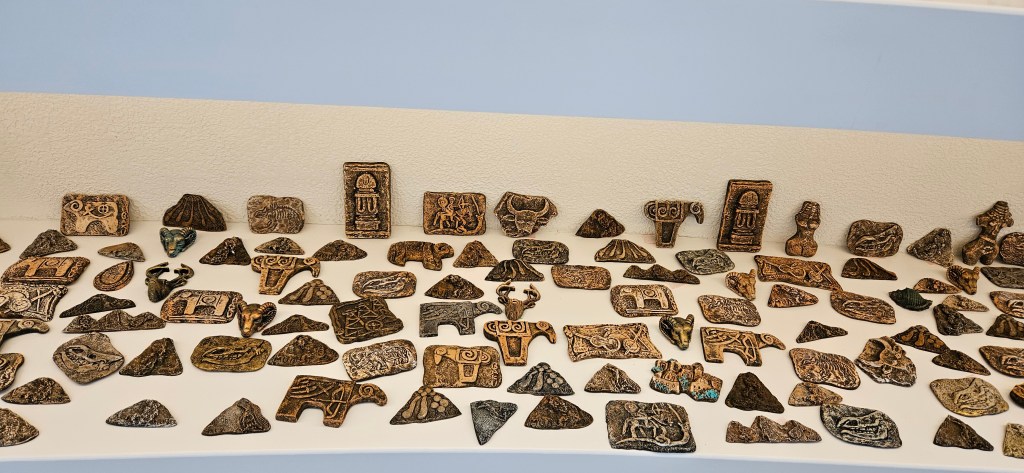
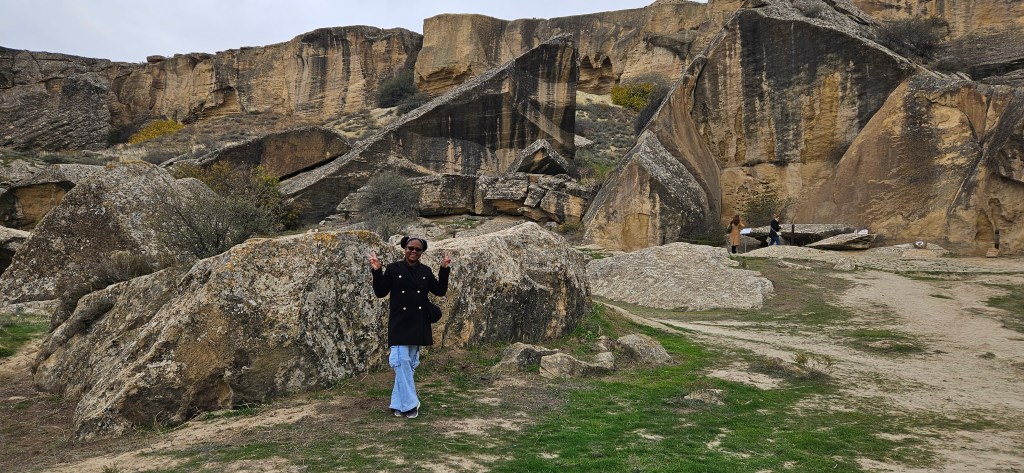
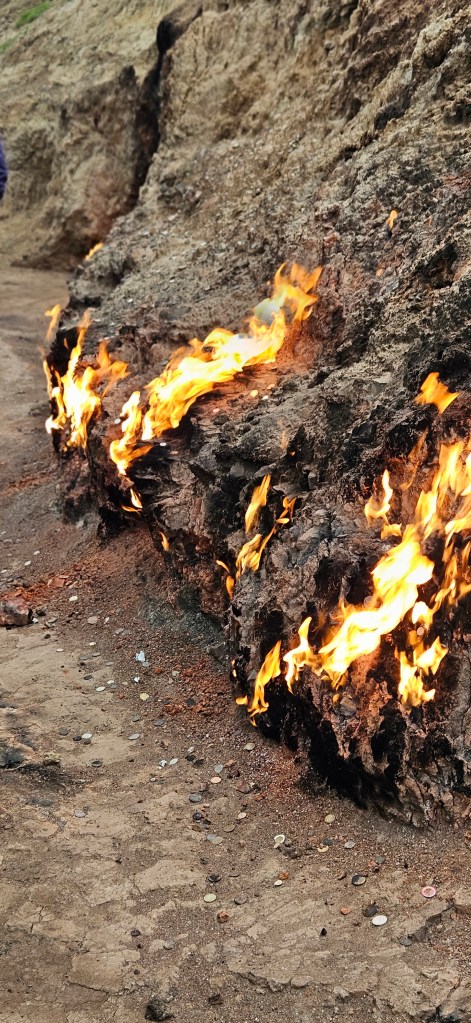
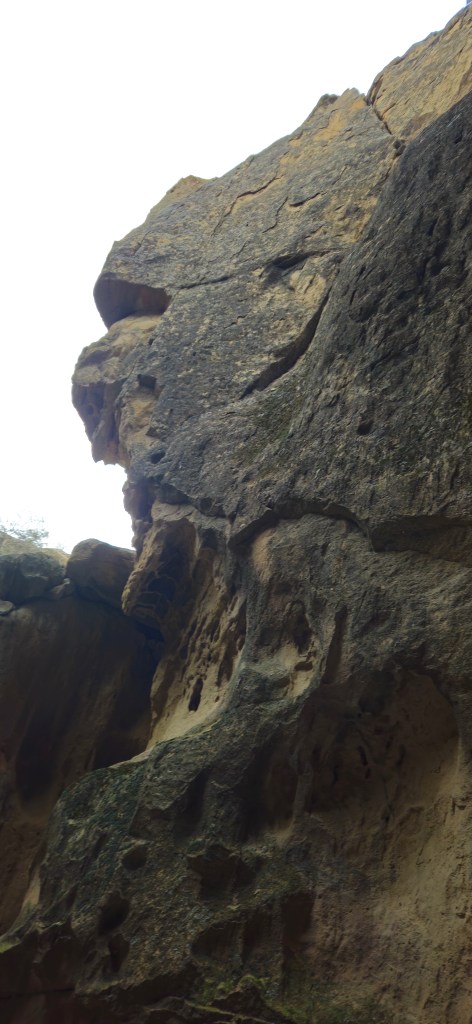
Beyond the conference, Baku itself was a revelation. As a Trini, I’ll admit, that we’re (especially me) pretty critical when it comes to food, but Azerbaijan did not disappoint. The culinary experience was nothing short of exceptional, with the standout being a pomegranate lamb dish that I still dream about to this day. Beyond the food, we immersed ourselves in the country’s rich history, visiting breathtaking sites like Fire Mountain, where natural flames have burned for centuries. These moments of cultural exploration added depth to our journey, reminding us of the importance of understanding and respecting the places we visit while advocating for global change.



When it comes to COP29, I can’t say I’m surprised by the outcomes. Given the current geopolitical landscape, expecting bold, transformative action felt like wishful thinking. But here’s the reality: as a global community, we cannot afford to continue pouring resources into war and conflict while the climate crisis threatens our very existence. We must divest in war and invest in climate action because our planet and our future depend on it.
I also want to take a moment to celebrate the incredible representatives from Small Island Developing States (SIDS) who stood their ground in the negotiating rooms. It wasn’t easy, but they fought tirelessly for our survival, ensuring that our voices were heard in spaces where they are too often sidelined. To them, we owe our deepest gratitude and unwavering support.
A special thank you goes to the Open Society Foundation, whose funding made the Karibe Speak Project possible. Their support ensured we could afford to be at such an important conference, amplifying Caribbean voices and providing funding to support the participation of other youth. This project would not have been the same without their belief in the power of youth-led advocacy.
Looking ahead, COP30 in Brazil presents a critical opportunity for the Caribbean. With the conference happening so close to our region, now more than ever, we must ensure that the Caribbean presence is felt and our voices are heard loud and clear. This is our chance to demand bold action, foster meaningful collaboration, and showcase the strength and innovation of our communities.
To my fellow Caribbean youth, this is your call to action:
- Use your voting power to support leaders and policies that prioritize climate action and justice.
- Pay attention to your country’s NDCs (Nationally Determined Contributions). Push for the inclusion of youth voices and demand ambitious, reality-reflective commitments.
- Raise awareness and spread climate literacy. Help your peers and communities understand the urgency of climate change and how they can be part of the solution.
- Don’t wait for a seat at the table—create your own platforms and continue your localized efforts. Grassroots action is where real change begins.
Climate justice begins with us. Our voices matter, our realities are valid, and our solutions have the power to lead the way. Let’s keep building momentum fighting for our future, for our islands, and for a more just and resilient world.
Stay resilient, stay hopeful, and as always, keep the EcoVybz strong. 🌍💙


 ECOVYBZ