
“The ocean is worth more than just the value of its finite resources. The long-term benefits of a healthy ocean far outweigh any short-term incentives offered by deep seabed mining. Opening up this new frontier for extraction would destabilize delicate ocean ecosystems and fatally undermine the foundations of a circular economy”- Sustainable Ocean Alliance Caribbean
Exploring the Deep Sea
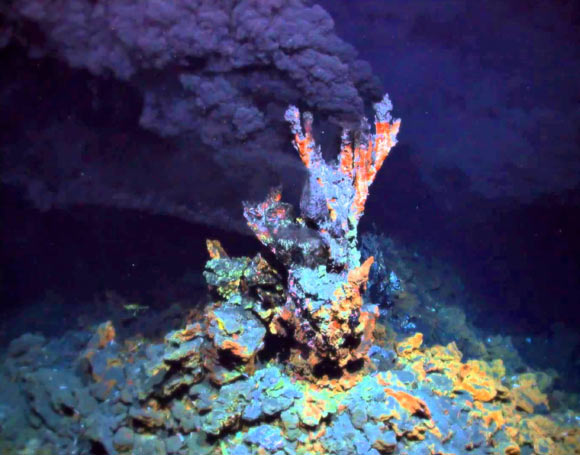
Below the ocean’s surface is a mysterious world that accounts for over 95% of Earth’s living space. It is often said that we know more about the moon than the deep sea because it remains largely unexplored. As you dive down through this vast living space beyond 200 meters, you notice that light starts fading rapidly, eventually appearing completely black, leaving only animals and bacteria to produce the light found here and less new food available, making the fight to survive extremely challenging. However, despite these harsh conditions, the deep sea contains an astounding variety of uniquely adapted creatures that will leave you speechless and an extensive array of geological features. These include abyssal plains (3,500–6,500 meters) below the sea surface, volcanic underwater mountains known as seamounts, hydrothermal vents with bursting water heated by volcanic activity, and deep trenches such as the infamous Mariana Trench.
Deep Sea Mining Threat
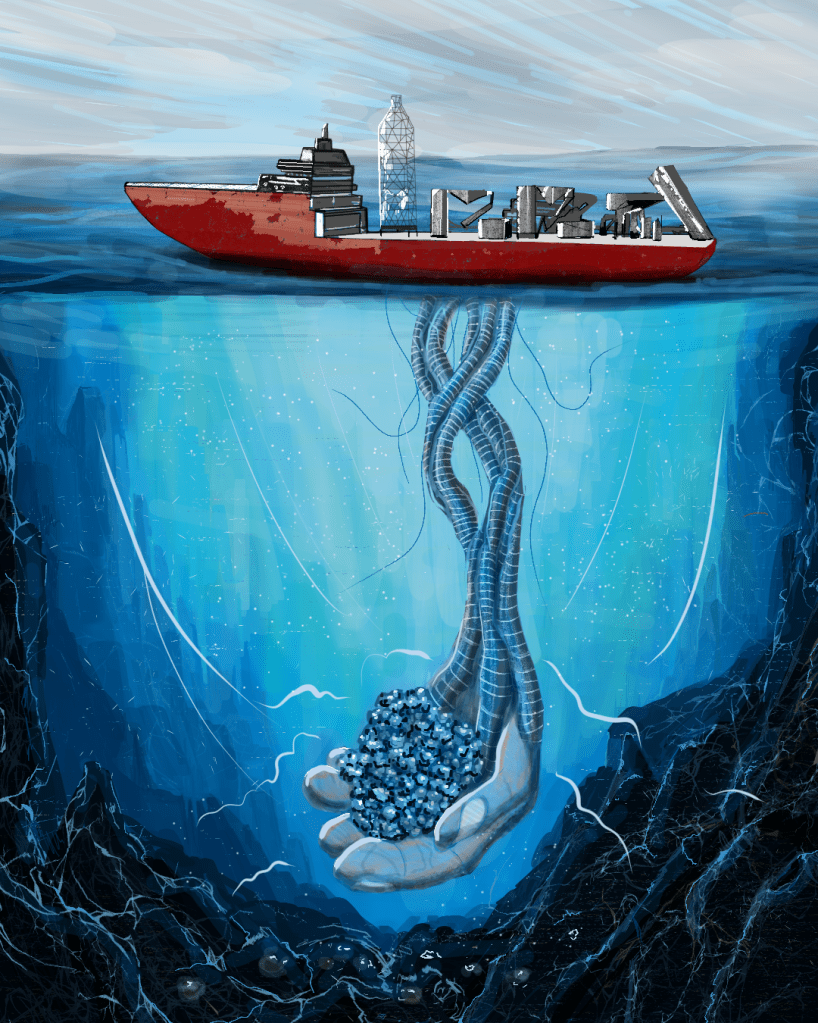
Despite the wonders of the deep sea, a new emerging threat is on the horizon, and that is Deep Sea Mining (DSM)! It is the process of extracting and often excavating mineral deposits (polymetallic nodules, polymetallic sulphides, and cobalt-rich ferromanganese crusts) from the deep seabed at ocean depths greater than 200 meters. Seafloor massive sulphides and cobalt-rich crusts require the use of cutting and drilling tools to break up and extract the minerals, while polymetallic nodules are sucked up by huge vacuum cleaner-like collection vehicles the weight of the NASA Space Shuttle. The equipment is remotely operated, and the collected material is piped to a collection vessel on the water’s surface. From there, the minerals are processed and transported to land, while the remaining sediments are released back into the water, creating an underwater dust storm that is predicted to disturb marine life far and wide. We use these metals for batteries, smartphones, laptops, electric cars, photovoltaic systems, and other types of power storage.
The question is, should we mine them? Some argue that these precious metals are needed to support the green revolution, but the ocean is currently facing more threats than at any time in history. Cumulative pressures from overfishing, climate change, and pollution are putting our big blue backyard and all the marine life that finds a home there at risk of collapse. Mining these metals would only add to the already existing pressures faced by the ocean, and the effects could be catastrophic, so we must be wary of giving another extractive industry the green light!
The DSM industry has been valued at US$2-20 billion; however, it threatens to disrupt a much wider ocean economy, valued at US$1.5-2.4 trillion annually. According to Margarida Mendes and João Martins: “The lack of knowledge about oceanic systems and their eco-systemic complexity and richness is enormous. It is only with profound ignorance that the practice of deep-sea mining can be adopted. And, as we know from other forms of resource extraction such as fracking, once a technology becomes commercially viable and has the backing of both powerful industrial lobbies and national governments (and the “revolving door” between the two), there is no going back. Ecosystems that are thousands of years old cannot be remade, and systemic tipping points cannot be uncrossed.”
International Negotiations and Governance
Negotiations to develop the rules and regulations that would govern the destructive DSM industry are ongoing in Kingston, Jamaica. In areas beyond national jurisdictions (ABNJ), (i.e., areas of the world’s oceans that are not under the jurisdiction of any single country), the extraction of mineral resources at the seafloor is managed by the International Seabed Authority (ISA). The ISA is an autonomous organization established by the United Nations Convention on the Law of the Sea (UNCLOS) to organize, regulate, and control seabed mining on behalf of humankind. In accordance with UNCLOS (Articles 145 and 162), the ISA must, among other things, prevent ‘serious harm’ and ensure the ‘effective protection of the marine environment’ from harmful effects, which may occur from seabed mining activities.

The race to mine the seabed is on, but not without a fight! In 2021, the Pacific island nation of Nauru triggered a treaty provision known as the “two-year rule,” which forced the hand of the ISA to finalize and adopt regulations for DSM within a 24-month period, which took us to July 9, 2023. July negotiations scheduled between the 10th – 28th at the ISA saw states debate the adoption of a crucial mining code. This code serves as the rulebook, outlining regulations and guidelines for DSM activities.
Notably, the trigger for these negotiations was Nauru, which emphasized the urgency of establishing robust and comprehensive regulations. The looming threat of mining commencing without adequate oversight was a cause for concern. However, despite a two-year window, the meeting concluded without the adoption of any DSM regulations.
Unfortunately, the legal loophole remains open, allowing companies to continue applying for mining contracts. Several delegations, including Norway, China, Mexico, the UK, and Nauru, attempted to stall negotiations and push for the adoption of the mining code.
One significant concern is that the discussion of agenda items related to marine environment and conservation, including a potential DSM moratorium, was sidelined during these July negotiations.
However, all hope is not lost, as member states retain the power to establish a moratorium on DSM. What is evident is that there are glaring deficiencies within the governance system of the ISA, an entity meant to safeguard the deep sea for the benefit of all humankind. These deficiencies result in conflicting interests, undermining transparency and accountability, which should be the cornerstones of such processes.
Deep Sea Mining and the Caribbean Region
Moving to the potential impact on the Caribbean region, DSM could have profound consequences. It poses a significant threat not only to the region’s fragile marine ecosystems but also to the economies of countries like Barbados. The tuna fisheries industry is a vital economic lifeline, projected to be worth BD 7.5 million by 2027 and representing the country’s major seafood export.
DSM activities have the potential to disrupt the migratory patterns of tuna and other marine species, affecting their availability for local fishermen. This could lead to reduced catch sizes and increased operational costs, impacting the livelihoods of those dependent on the tuna industry.
Adding to the complexity, many Caribbean countries are parties to UNCLOS. However, active participation in ISA meetings, where crucial decisions regarding DSM are made, is often challenging for these nations.
To safeguard their interests and protect their fragile ecosystems, Caribbean nations must take a more active role in these discussions. This includes participating in ISA meetings and advocating for stringent environmental protections. Failing to do so may result in these countries being left behind as DSM advances, potentially causing irreparable harm to their marine resources and economies. Balancing economic development with environmental and social concerns presents a formidable challenge that these island nations must navigate.
With Trinidad and Tobago and Jamaica sitting on the council at the ISA, all eyes are on them to join the growing call for a precautionary pause and put the protection of the ocean at the forefront of their actions. One thing is clear, we are now in a unique and privileged position to understand the devastating risks of DSM before it begins. For the first time ever, we have a once-in-a-lifetime chance to break humanity’s cycle of acting first and dealing with the consequences later.
“We are already in a triple planetary crisis as we deal with the impacts of climate change, biodiversity loss and pollution, we must err on the side of caution and truly assess greenlighting another extractive industry that can potentially have perilous consequences to ocean health” – Sweelan Renaud, Social Media and Communications Manager – SOA Caribbean
Taking Action and Shaping the Future
Although there are several other countries like Nauru that are pro-mining, a social and political shift is occurring. Currently, a total of 23 states (Fiji, Palau, Samoa, Chile, Costa Rica, Ecuador, the Federated States of Micronesia, Spain, New Zealand, France, Germany, Panama, Vanuatu, the Dominican Republic, Switzerland, Sweden, Ireland, Canada, Brazil, Finland, Portugal, and Monaco have expressed support for a moratorium, precautionary pause, or ban on DSM, with the United Kingdom changing its position and announcing on October 30th that they also support a moratorium on the granting of exploitation licenses). Additionally, numerous environmental watchdog groups, indigenous communities, youth-led organizations, financial institutions, and scientists have voiced their concerns about the potentially destructive impacts of DSM on ocean health and biodiversity. For the small island nations in the Caribbean, the time has come to pay attention and take decisive action.

We cannot continue to operate in a vicious cycle of extraction, exploitation, destruction, and waste production. As we sit here, in a region susceptible to natural disasters, extremely vulnerable to climate change and plagued by environmental issues such as pollution, we must question the driving force behind this industry, we must question our image or vision of sustainability; but most importantly, in an age of uncertainty and a lack of scientific knowledge, safeguarding the deep sea —- our biggest ally against the climate crisis—ensures we preserve the earth’s final frontier, protecting its delicate ecosystems and biodiversity for generations to come.
The 28th Council Meeting (Part III) commenced on October 30th and would proceed until November 8th. Stay tuned for updates on ongoing discussions that could determine the fate of the deep sea. Caribbean leaders must consider whether they will allow decisions to be made on their behalf by external powers or if they will take a more active role in shaping the future of the region.
Sustainable Ocean Alliance Caribbean Regional Representative, Khadija Stewart, from Trinidad and Tobago, has been attending these meetings in Jamaica, amplifying youth voices and strongly leading SOA Caribbean’s call to stop DSM.
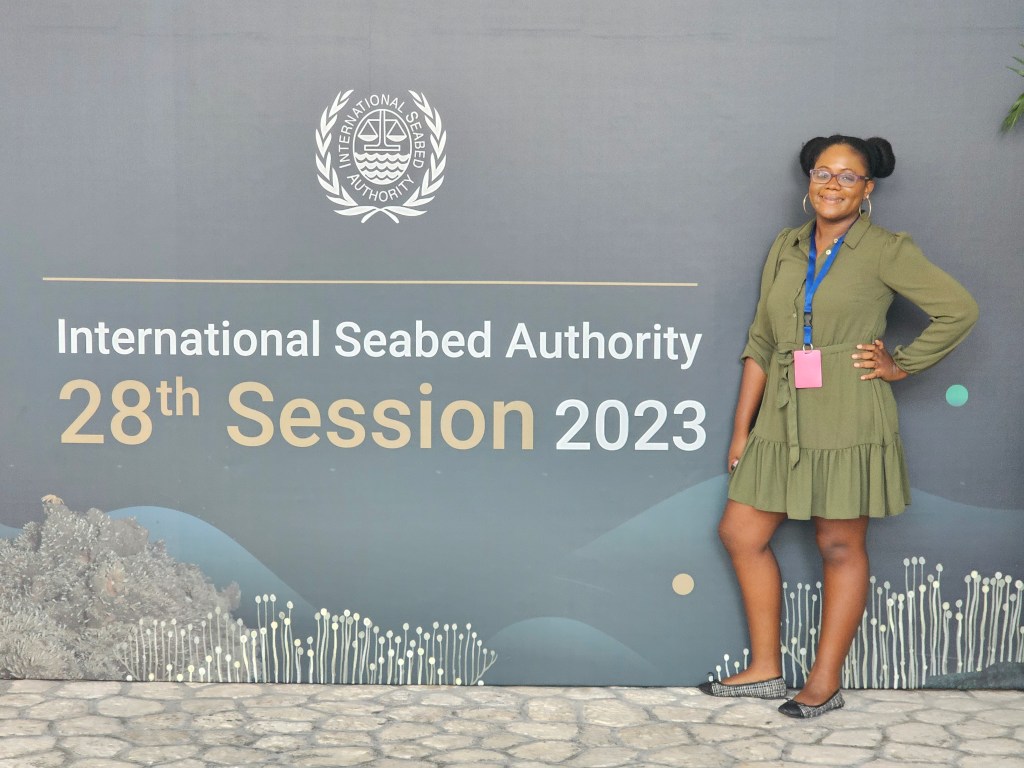

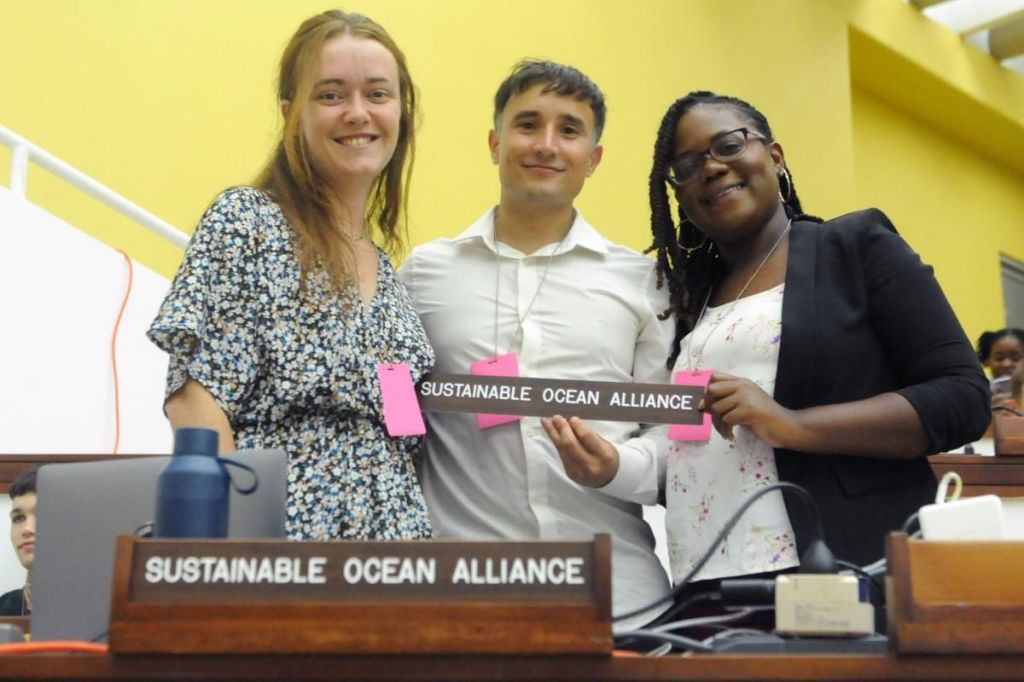
Khadija’s role is critical in communicating the need for a precautionary pause and ensuring the delegates know that the region’s youth are watching their decisions and the role they play in safeguarding a healthy ocean for future generations. During her intervention, she stated to all the delegates present;
“You are in the driver’s seat, it is your legal responsibility. You need to take preventative action to ensure that no mining applications are approved this year or next year or at any time until there is enough science and assurance that the marine environment will be protected. At this time, I challenge you to think boldly, to be ambitious and to remove any risk of a mining application being granted. I challenge you to question how the ISA functions and whether it truly reflects the interests of humankind as a whole, to question the extractive paradigm, but most importantly to question not just the legality of your decisions, but their legitimacy.”
With Sustainable Ocean Alliance gaining official observer status the space is now open to more Caribbean Youth to voice their concerns and the need to protect our biggest champion in the fight against climate change- the deep ocean.
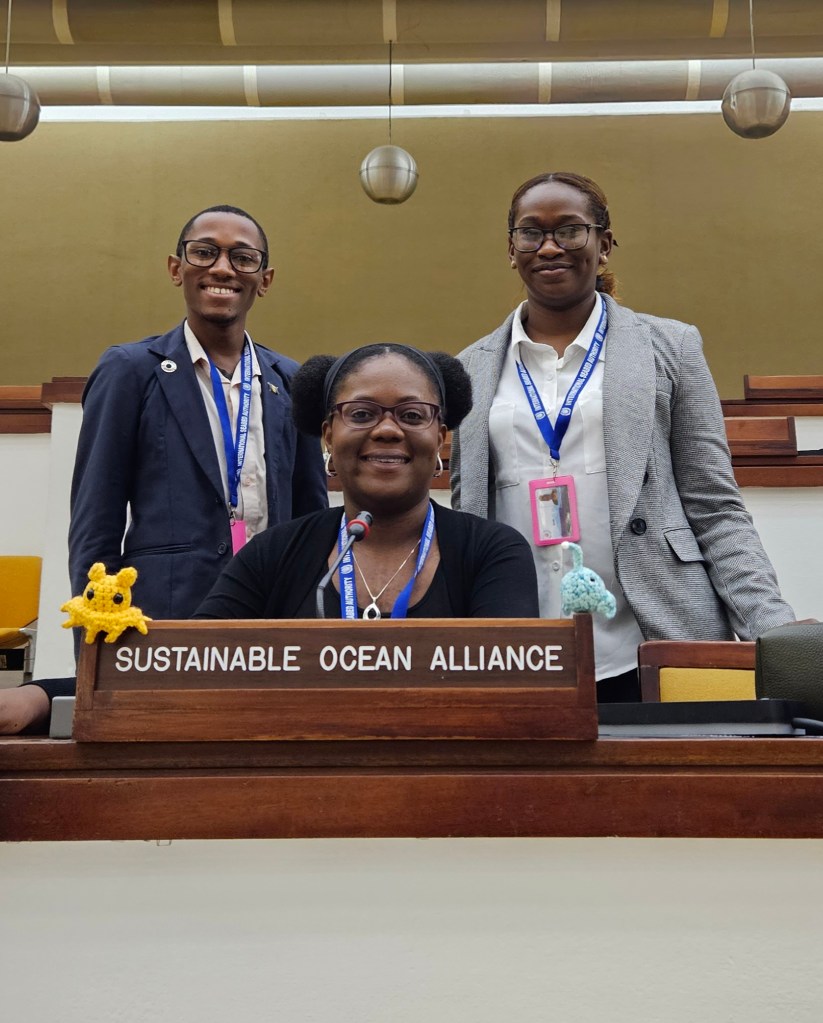
It is imperative that Caribbean leaders start attending the ISA meetings and joining the call for a moratorium. We are running out of time and that is the only way to #defendthedeep.
To learn more about Deep Sea Mining click here
To learn more about SOA Caribbean’s work on DSM click here
To view Khadija’s full intervention click here
To view Sweelan’s full intervention click here
To connect with SOA Caribbean click here
Written by: Sweelan Renaud and Khadija Stewart
 ECOVYBZ